
TIRED OF DOING EVERYTHING YOURSELF?

DO MORE WITH LESS! START LIVING YOUR BEST LIFE
We Will Remodel Your Business Operations to:
Capture More Leads
Convert Them Into Sales Opportunities
Follow Up with Leads and Customers
Retain Current Clients
SYSTEMS, STRATEGIES AND MARKETING IS THE RECIPE FOR LONGEVITY AND SUCCESS IN BUSINESS.
LET US SET YOU UP FOR SUCCESS WITHOUT YOU HAVING TO DO A THING!

CAN YOUR BUSINESS RUN WITHOUT YOU?
Using automation, businesses can streamline and automate their manual processes., while still onboarding clients, collecting payments all without:
Needing a large team
Trying to figure it out yourself
Breaking the bank
Every Business Has A System Situation Let us Help you with yours.
See How We Can Help You

Capture

Convert

Follow Up

Retain
Marketing System Consultation
Training
Go High Level Services
Why Choose Us as Your Business System Specialist?
We specialize in helping service-based businesses like yours overcome stagnant growth and reach increased productivity. By closely examining your unique business needs, we create customized business system solutions that not only drive results today but also set you up for sustained success in the future.
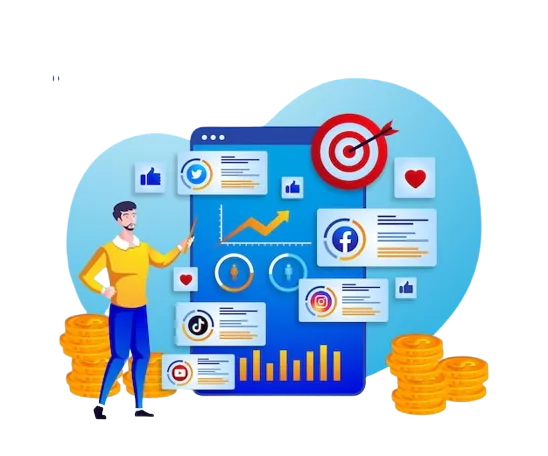
We Scale Your Business With Our customized strategies
Elevate your marketing game with our customized strategies, tailored to your business needs, and employing our signature methodologies and technologies.
Guess what? You do not have to worry about the Tech!
Nurture Campaigns
Retargeting Strategies
Chat Automations
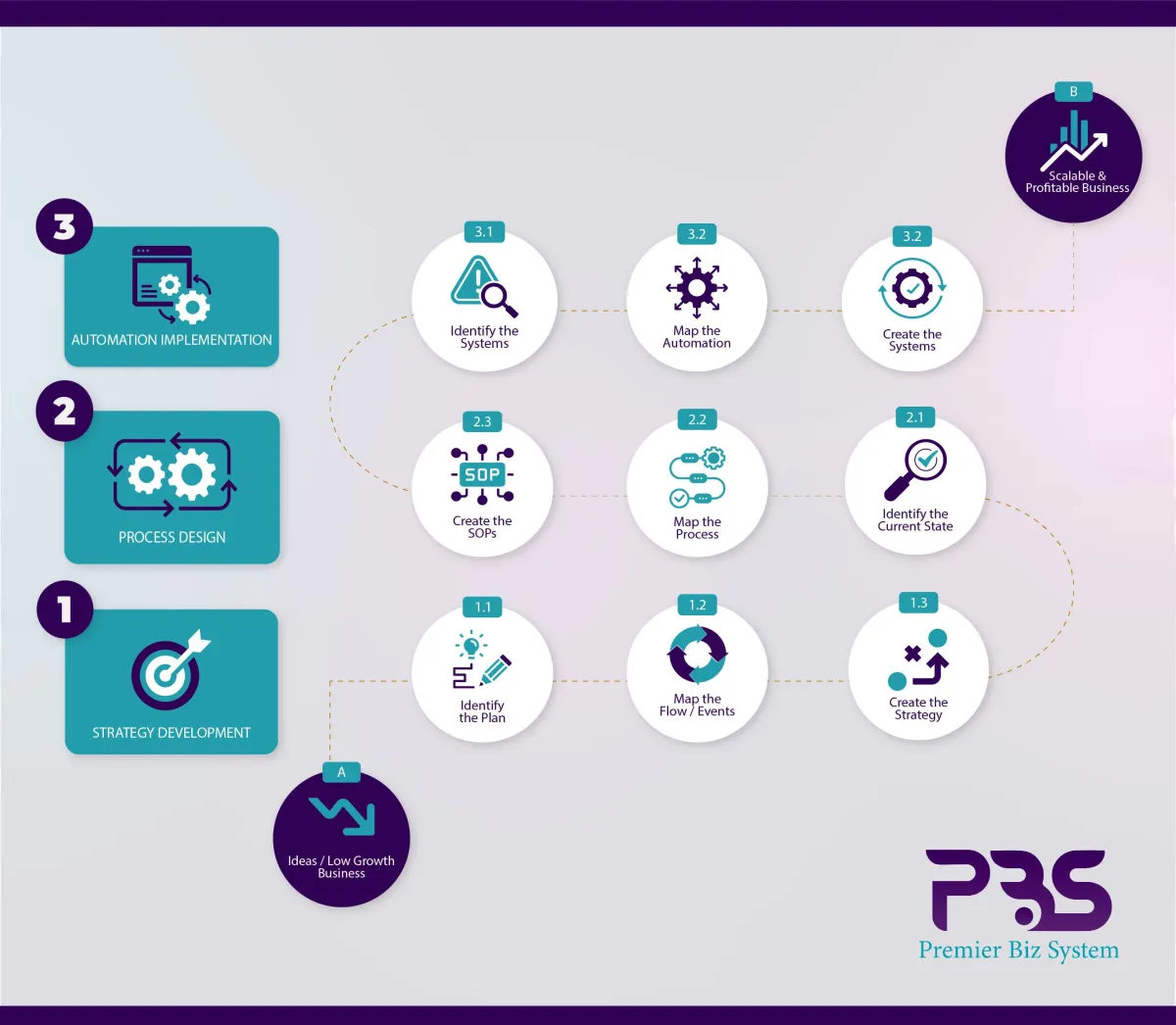
The strategies we use to ensure your business' success:


Reach Marketing
We'll help you find new customers and expand your audience by harnessing the power of email and text marketing. Say goodbye to spending tons on ads - these strategies work wonders on their own! >> Learn More

Reputation Marketing
Your reputation is everything. We'll show you how to build a stellar online presence that will draw in new clients and keep them loyal. >> Learn More

Resell Marketing
Maximize your profits by encouraging existing customers to buy again. Our innovative techniques will keep them coming back for more, boosting your revenue without breaking the bank. >> Learn More

Retargeting Marketing
Don't let potential customers slip through the cracks! Our retargeting strategies will help you re-engage those who showed interest but didn't convert, turning them into happy, paying customers. >> Learn More
Our Team

John Doe

Jane Doe

John Doe
Systems, Processes and Automation are all about STRATEGY First! That is our #1 Methodology.
80% Strategy and 20%Tool
~Jenifer Jay
Frequently Asked Questions
Who is this service for?
This service is for service based online or local businesses who need more customers in their pipeline.
This service is for business owners who are tired of being stuck not bringing in more leads or making sales on autopilot.
Essentially, any business that needs to promote its products or services, build brand awareness, generate leads, or retain customers can benefit from using marketing systems to optimize their marketing efforts and achieve their goals.
You can get started by scheduling a consultation here: https://premierbizsystem.com/assessmybiz
What is your process to get started?
1️⃣ Book a consultation so we can do a needs assessment and see if we are a good fit and you love us like our current customers. https://premierbizsystem.com/assessmybiz
2️⃣ When we move forward we will send you over the link to get started. Based on your plan you may have to sign an agreement first and then our system takes you through our onboarding process.
3️⃣ Once you make your payment you will be taken through a series of steps including completing 2 forms providing us information about your business and providing us with what we need.
4️⃣ Once you complete those forms, you will schedule your onboarding call with us, if needed.
Can I customize a marketing system to suit my business's specific needs?
Marketing is not a cookie cutter solutions and neither are marketing systems. Although we focus on specific systems each business has their own system recipe that works for their business goals and customers. That is how we operate, by looking at your business and providing the marketing systems that fit your businesses needs.
I don't have time to learn anymore software.
We manage the marketing systems for you all you do is sit back and watch the leads come in.
Are you looking to hire someone to create automations in your business?
Grab our guide on How To Hire an Automation Specialist.
Educate your self before you book that appointment.
Do you want more leads in your business but not sure how to get them?
Grab our Lead Generation Playbook.
Get actual strategies you can implement today!
Save Yourself From Burnout.
There are tasks you can automate.
Grab our 30 Tasks You Can Automate Guide.
Get actual strategies you can implement today!
Blog & Articles

How to Create a Digital Marketing Budget as a Small Business
Every aspect of running a small business can be incredibly challenging, including creating a budget for digital marketing. Most small businesses are on a very tight budget, so you want to ensure that you distribute it in a way that doesn’t neglect any of your business needs. Depending on your digital marketing experience, it can be even harder to figure out how much to budget for this part of your business expenses.
Whether you need to create your first digital marketing budget or need to adjust your existing one, the following tips will make it much easier.
The Rule of Thumb by Percentage
Remember that every single company is different, and your digital marketing budget will depend on a long list of factors. That being said, there are some general rules. B2B companies typically spend about 2-5% of their revenue on marketing as a whole. This figure is about 5-10% for B2C companies.
But there are two things to remember when using these general guidelines. First, there are significant variations within the range, and you may not even fit in the range. As such, use the ranges as a general guideline and don’t feel like you have to stick to the figures. Second, those percentages are for all marketing, not just digital marketing.
So, that 2-10% of your revenue will also include any non-digital marketing you do. For example, do you have radio ads, ads at bus stations, print flyers, or in-store advertising? All of those also need to be accounted for.
List All of the Potential Digital Marketing Expenses

To start figuring out where you fall within the typical range for digital marketing budgets, make a list of all the expenses you have or will have. Be sure to include digital marketing strategies you don’t yet implement but plan on using, such as local influencers. The following are some of the most important potential costs to consider:
● Website
● Social media advertising
● Social media management outsourcing
● Online advertising, including Google ads
● SEO and PPC
● Email marketing
● Video marketing
● Content marketing
● Local influencer marketing
● Brand development
● Training for anyone internal who will handle digital marketing
For each of these categories, remember to think about all of the associated costs. For example, your website cost is not just to design the website in the first place. There are also hosting fees and domain fees. You will also need website maintenance and potential updates.
Then, you also have website-related advertising costs, such as SEO. If you are going to hire someone to write a blog for your website, you also have those costs.
Take social media as another example. We mentioned both general social media management and paid ads, but you will want to consider more than this. Specifically, think about what social media pages you will need to be present on and allocate a budget for each of them.

Think About Your Customers
Once you have your list of potential expenses, it is time to think about your customer base. What channels are they on? What type of content are they most likely to respond to?
Use those answers to decide how to allocate your budget. You will focus your budget and efforts on the channels and marketing strategies that are most likely to deliver results.
Create Clear Goals
Next, set goals for your digital marketing efforts. Remember that your goals should be measurable, as this lets you track them. For example, instead of saying “get more website visitors,” say “get X more website visitors per week.”

Consider What Tools to Use, Including Free Ones
Most small businesses will want to keep their digital marketing budget as low as possible. Luckily, there are many free tools that can help with this. Google AdWords Keyword Planner is one great example. Just remember that paid tools will give you more resources and features than free ones; however, your business may not need those extras.
This is also the time to figure out what you will do in-house and what you will outsource. Remember that doing your digital marketing in-house is not always cheaper, as you will have a learning curve and spend time that you could’ve spent on something else. You may also get a lower ROI. As such, you need to carefully evaluate the pros and cons before deciding whether to outsource specific marketing efforts.
Track the Budget and Results and Adjust as Needed
As with any other aspect of running your small business, don’t force yourself to stick to a marketing budget long-term once you establish it. Instead, make it a point to regularly evaluate your digital marketing results and your expenditure. Compare your results to baseline figures from before you implemented your new strategies.
If you see results but they aren’t enough to let you reach your goal, consider increasing your budget. If you surpass your goals, see if you can reduce your budget. Or if you aren’t seeing results, temporarily reduce your marketing budget while you figure out what works best.
Conclusion
Most B2B businesses spend between 2 and 5% of their total revenue on marketing, and B2C businesses usually spend 5-10%. Use those figures as a starting point, but consider your goals and potential costs. Most importantly, regularly evaluate your marketing efforts and results, changing your budget as needed.
If you’re ready to start generating leads like a pro, it’s time to put your digital marketing budget into action. We hope these tips have given you some ideas on how to get started, but if you need more help getting your campaign off the ground within your budget, drop us a line. Our team is happy to help! In the meantime, don’t forget to drop the link to your landing page with your email marketing optin in the comments below – we want to see how well you do!